
The Doina Vin story · Răzeni, Codru
The cellar that found its song
Beneath the brick vaults of Răzeni, the times have changed more than once: a landed estate, a state farm, a few years of silence, then a company named after a daughter and a song.
The name
One name, two meanings
- The daughter Doina
- Doina Borș, daughter of Feodosie Borș, the winemaker who founded the company in 1993. The company bears her name.
- The song doina
- The Romanian folk song of longing and love.
01 · 1875
The cellar
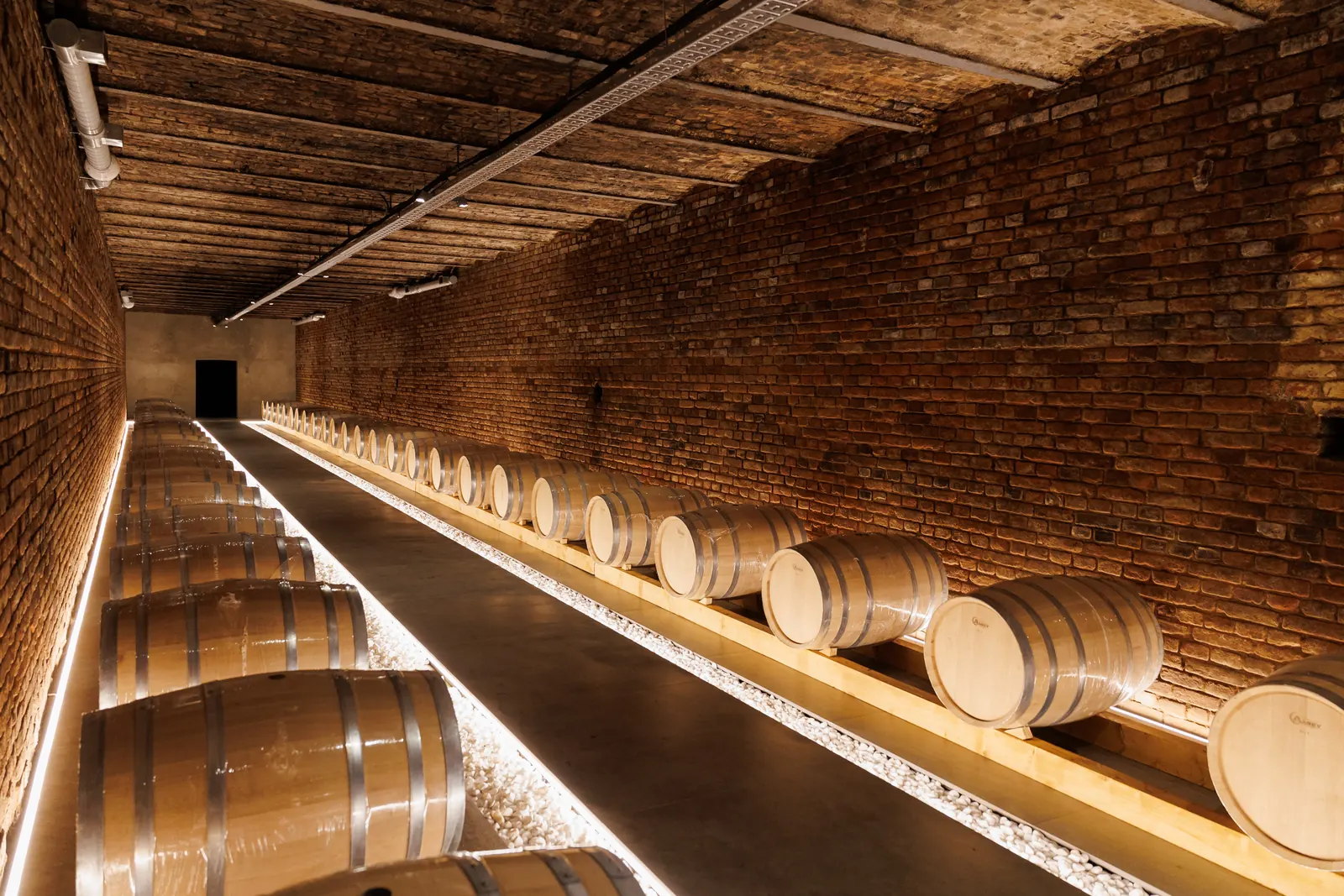
It all begins underground. In 1875, a brick-vaulted cellar was built at Răzeni. The vault is still there today, course upon course of brick above the barrels. The year of construction comes from the winery’s heritage booklet, citing the village monograph “Vatra Veșniciei – Răzeni”, p. 258.
The cellar is no museum piece. Wine still ages here, and every visit to the winery starts here too: you step down below ground and the noise outside falls away behind you.
What happened above it in the years that followed is the story told below.
02 · 1878–1940
The estate
From 1878, the hills around Răzeni begin to look different.
-
The landowner settles at Răzeni and builds up the wine estate. He plants about 80 hectares of European varieties where only local varieties had grown before.
Source: the winery’s heritage booklet, citing the village monograph “Vatra Veșniciei – Răzeni”, p. 258.
-
The 1880s
By the mid-1880s, the estate’s winery is processing between 2,000 and 3,000 tonnes of grapes a year.
Source: the winery’s heritage booklet, citing the village monograph “Vatra Veșniciei – Răzeni”.
-
For the village
According to the village monograph, the landowner gave Răzeni a primary school, a medical post, a mill and the first artesian well in the surrounding area.
Source: the winery’s heritage booklet, citing the village monograph “Vatra Veșniciei – Răzeni”.
-
With the arrival of Soviet rule, the landowner leaves everything behind and departs for Romania.
Source: the winery’s heritage booklet, citing the village monograph “Vatra Veșniciei – Răzeni”; his departure is also recalled in the ModernBuyer interview of 17 October 2017.
03 · 1945
The state farm
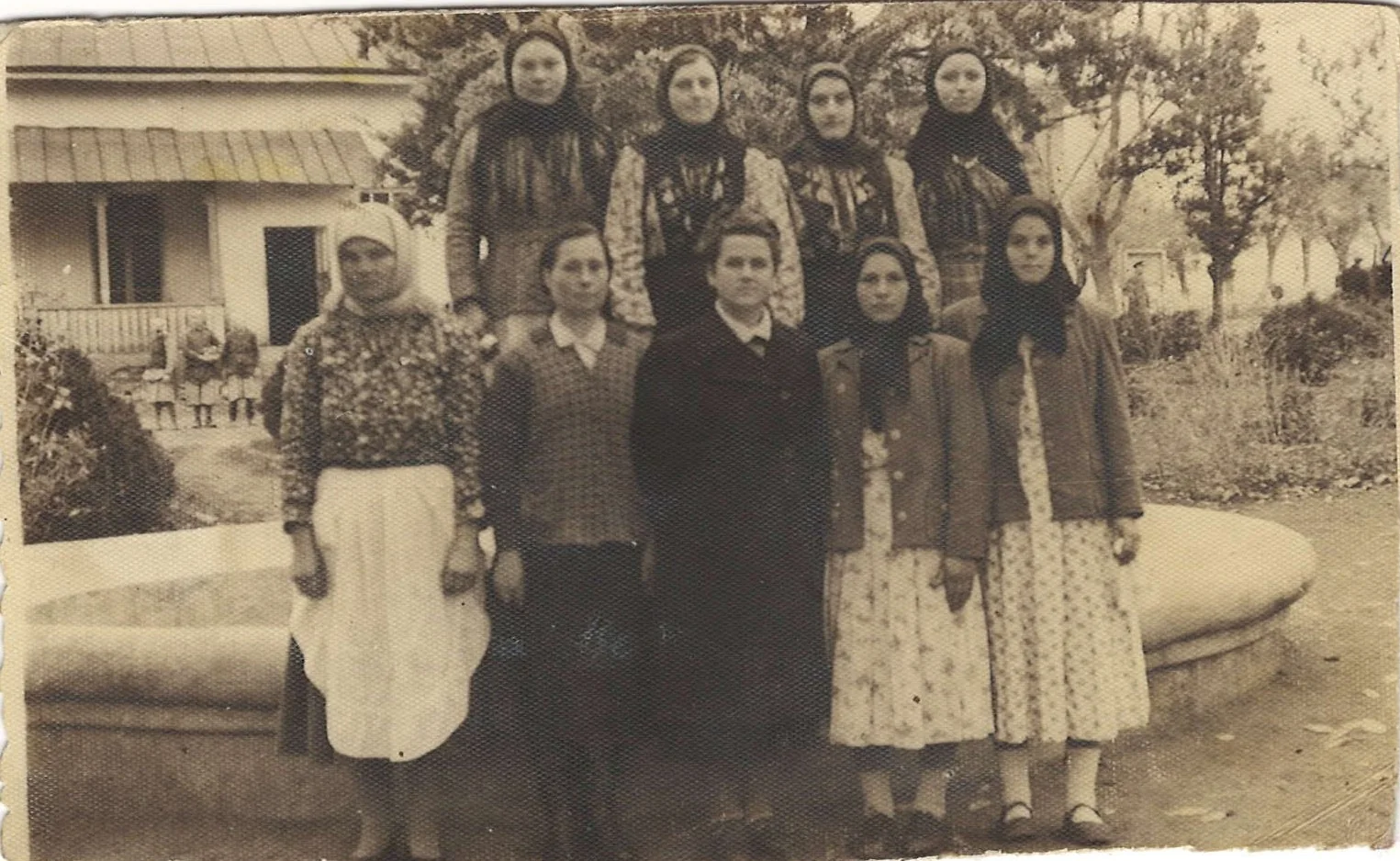
After the war, the cellar and the vineyards stay where they are. Only the name on the gate and the rhythm of the work change.
-
The estate is nationalised and becomes the “Răzeni” state wine farm (sovkhoz). The cellar and the vineyards remain.
Source: the winery’s heritage booklet, citing the village monograph “Vatra Veșniciei – Răzeni”.
-
After the USSR
After the Soviet Union breaks up, the winery passes into private hands but stands unused for about five years. The cellar falls silent.
Source: Doina Borș’s interview with ModernBuyer, 17 October 2017.
04 · 1993
Feodosie Borș
Feodosie Borș is a winemaker. Before founding his own company, he was head of production at the National Institute of Vine and Wine.
-
Feodosie Borș founds Doina Vin, registered on 20 December 1993. He names the company after his daughter, Doina.
Source: official company records; Doina Borș’s interview with ModernBuyer, 17 October 2017.
-
The company begins investing in new vineyard plantings and new equipment.
Source: wine-and-spirits.md (portal), 18 October 2017.
-
The 2000s
The 1875 cellar comes into Doina Vin’s care.
Source: Doina Borș’s interview with ModernBuyer, 17 October 2017; wine-and-spirits.md (portal), 18 October 2017.
-
Today
The cellar has been restored and is still in use, for wine and for guests.
Source: the winery’s heritage booklet.
05 · 2017
Doina Borș
In the summer of 2017, Doina Borș came home after more than ten years of study and management consulting in Austria and Germany.
The company bears her name. A doina is also a traditional Romanian folk song of longing and love, so the wine from Răzeni carries two names at once: a daughter’s and a song’s.
Since then, Doina has led brand strategy and marketing. She slimmed down the portfolio and built the brand around the Artitude line, where every vintage gets its label from an artist.
“The company bears my name. Above all, it is a beautiful gesture of love from a father to his daughter, but the name also carries a patriotic meaning.”
06 · Artitude
One artist, one vintage
Artitude blends “art” and “attitude”: every vintage, a Moldovan artist creates the label. The back label puts it simply: “Ia artitudine”, a play on the Romanian for “take a stand”.
-
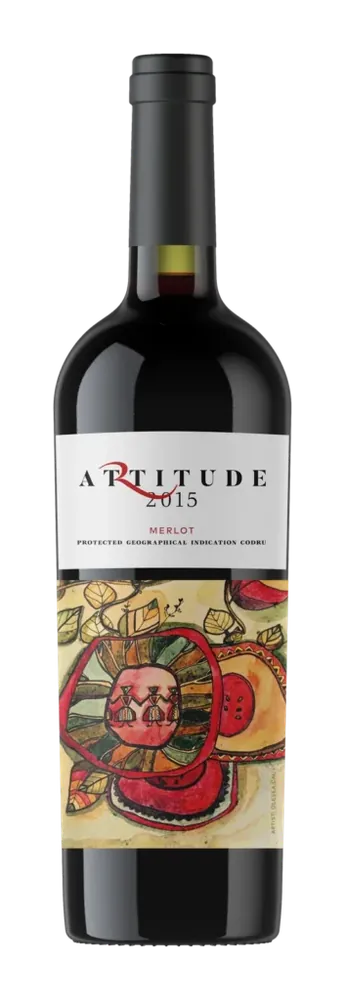
2015 vintage Olesea Caus She paints fruit from her grandmother’s orchard and the Moldovan hora.
Source: Doina Borș’s interview with ModernBuyer, 17 October 2017.
Merlot 2015 -
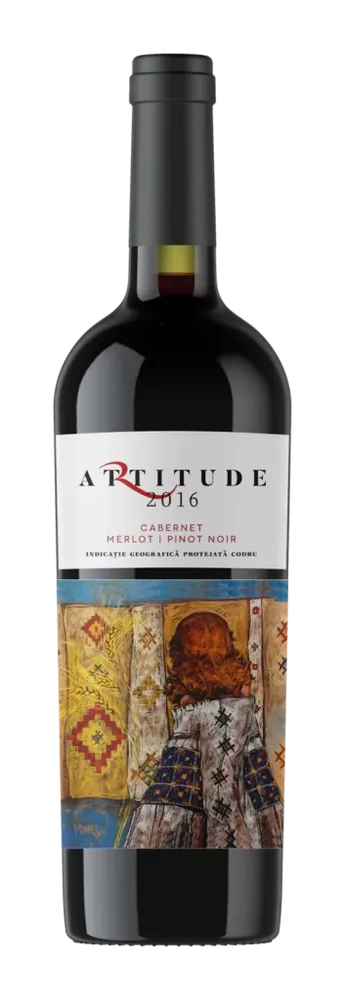
2016 vintage Mihai Ungureanu He brings to the label a village beauty from his series “Mândra maci și spicu’ de grâu” (“The beauty, poppies and an ear of wheat”).
Source: Doina Borș’s interview with ModernBuyer, 17 October 2017.
Trinity 2016 -
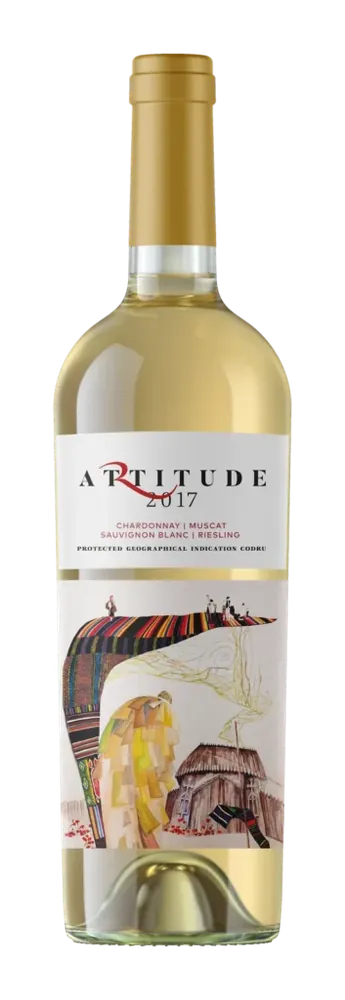
2017 vintage Mihaela Lungu The 2017 vintage label is her work.
Source: the winery’s records.
Quartet White 2017
07 · Codru
Today
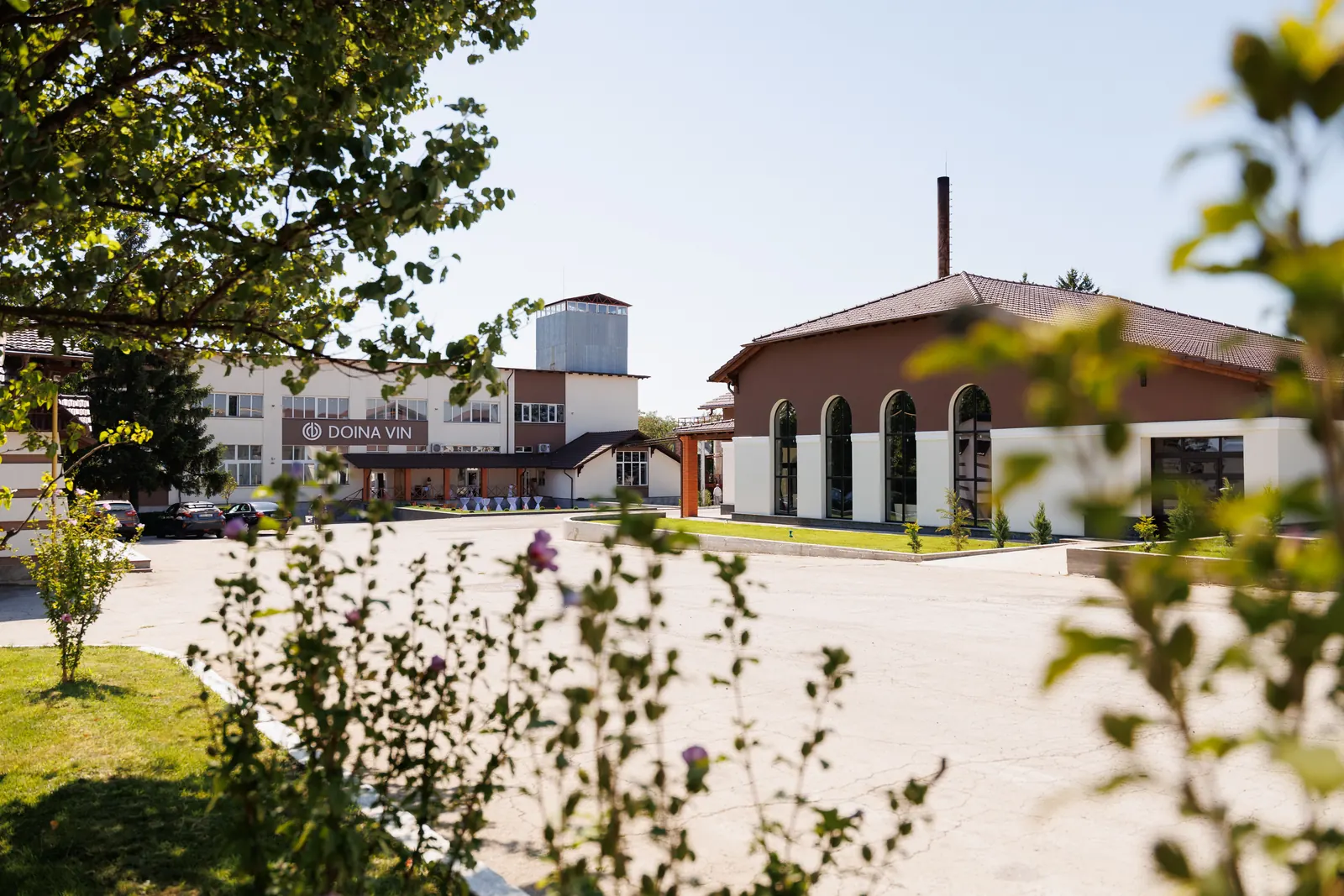
Doina Vin’s vineyards grow in the Codru wine region, a landscape of rolling hills and oak and linden forests. The winery is at Răzeni, in Ialoveni district, about 30 km from Chișinău.
Today 14 brands share the Doina Vin name, each with its own voice:
- 6N Collection
- Arborele
- Artitude
- Balsam de Galiția
- BonaFlores
- Château d’Étoile
- Châteaux de Brua
- Dolofana de la Prut
- Goliard
- LifWin
- Lucky
- Pastoral
- Perla Neagră
- Vinum Aurum
The same cellar, the same doina, new verses.
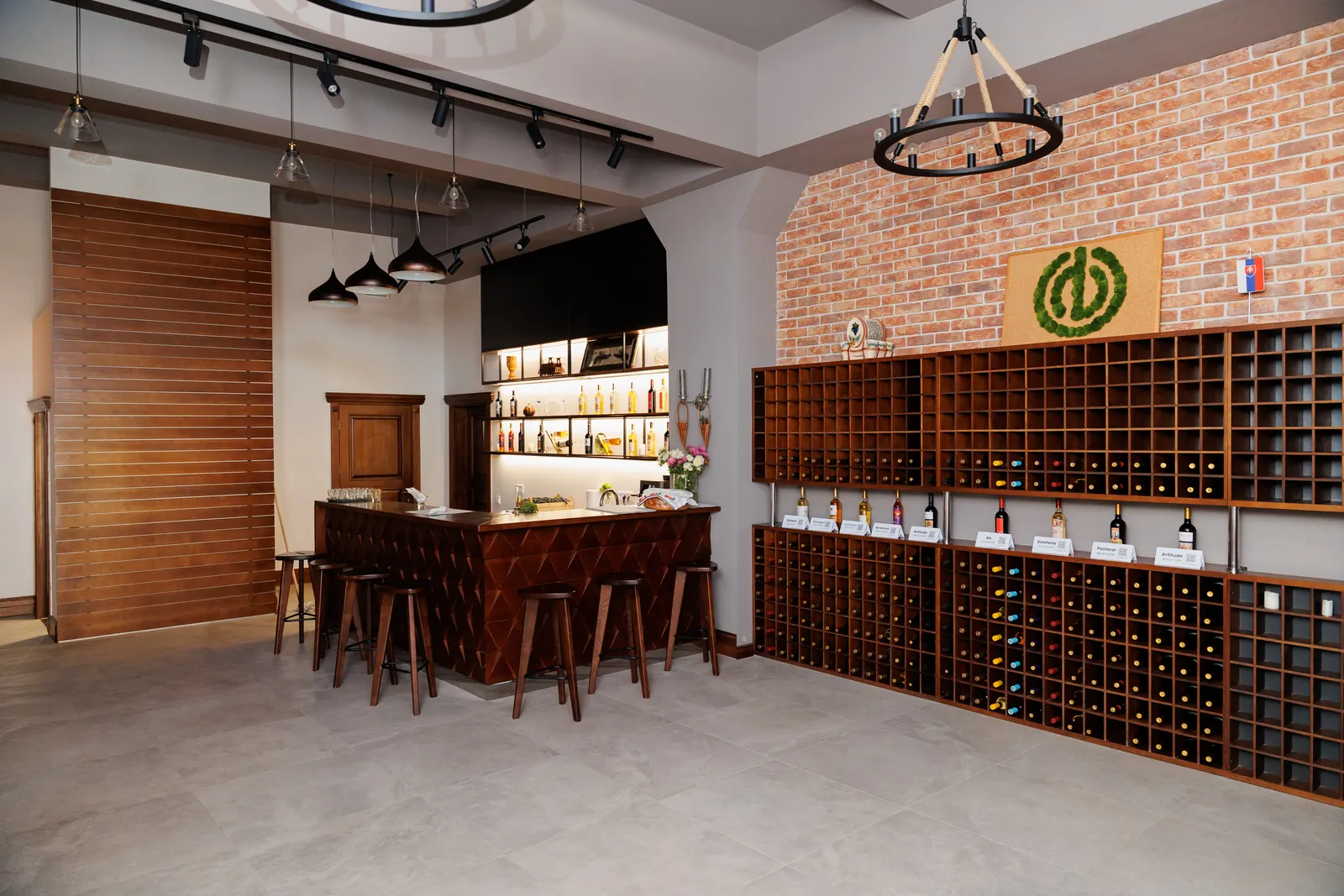
Tours
Come and listen to the cellar
The story sounds best where it began: under the brick vaults of Răzeni, with a glass in your hand.