
Crama Răzeni · the Codru region
The winery at Răzeni
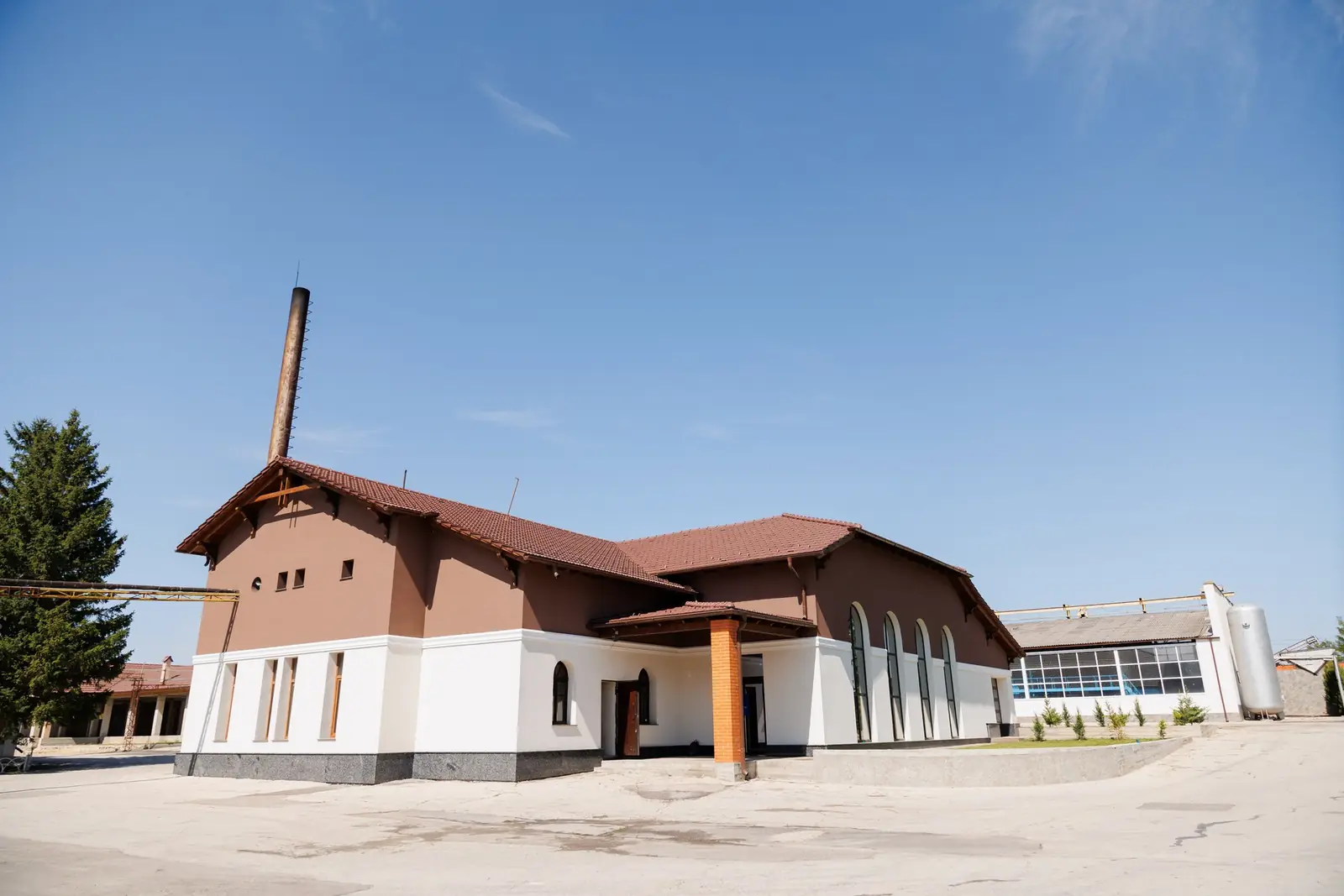
The village of Răzeni, Ialoveni district, about 30 km from Chișinău. Here lies an underground brick-vaulted cellar, built in 1875 and still in use today.
At a glance
Doina Vin makes its wines at Răzeni, on a wine estate established in 1878.
The company was founded in 1993 by Feodosie Borș, a winemaker, and named after his daughter, Doina. A doina is also the Romanian folk song of longing and love. The vineyards lie in the Codru wine region, and today 14 brands share the Doina Vin name. Doina Vin is ISO 9001 and ISO 22000 certified.
- the year the cellar was built
- 1875
- the year Doina Vin was founded
- 1993
- brands, 65 wines and 3 balsams
- 14
- approximate distance from Chișinău
- 30 km
- vineyard area
- 200 ha
01 · The cellar
Beneath an 1875 vault
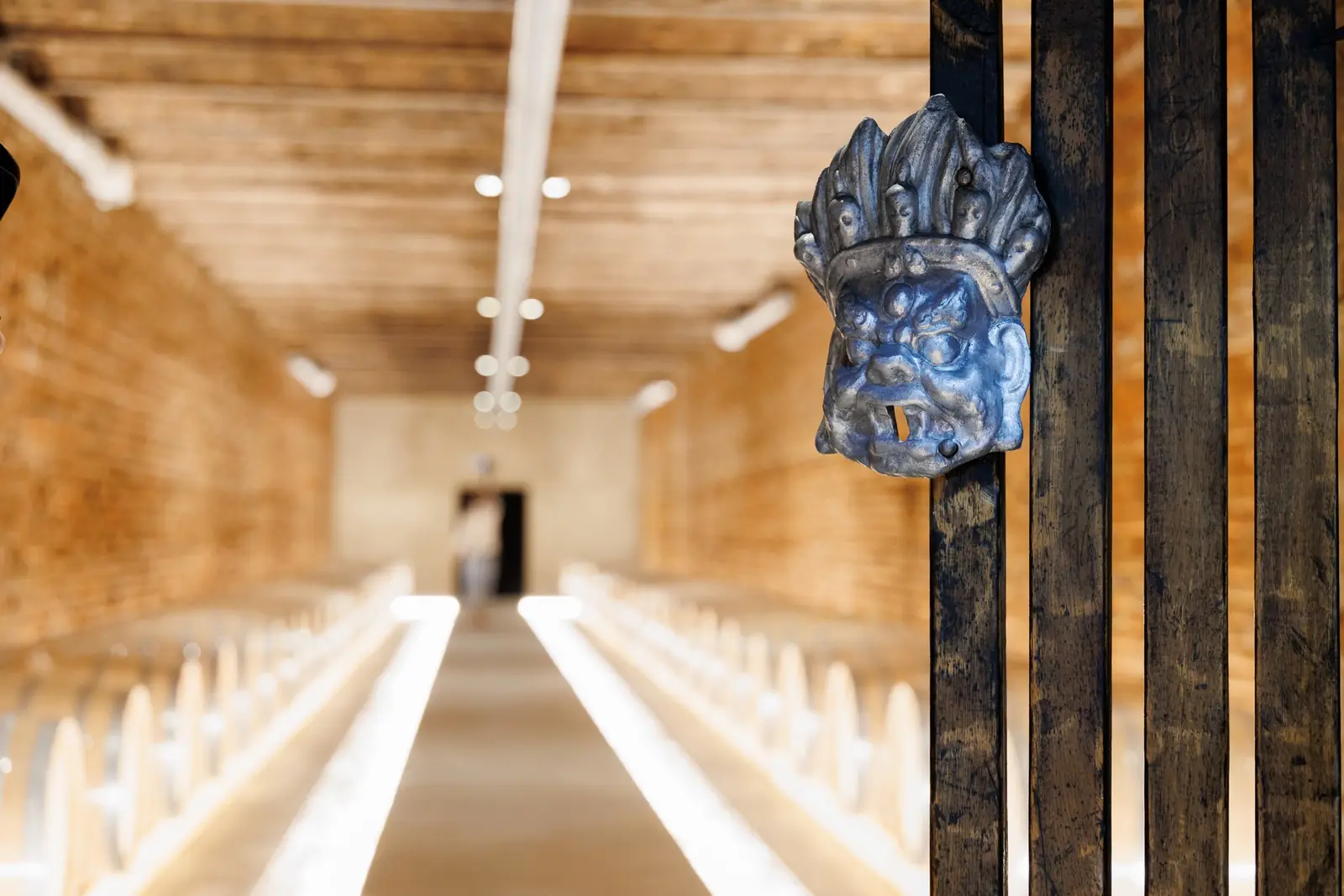
It all begins underground. The cellar is no museum piece: it has been restored and is still in use today. This is where the wines age, and where every visit to the winery begins.
- The vault
- Underground, built of brick
- Today
- Wine ageing and winery tours
02 · Tours
Come down into the cellar
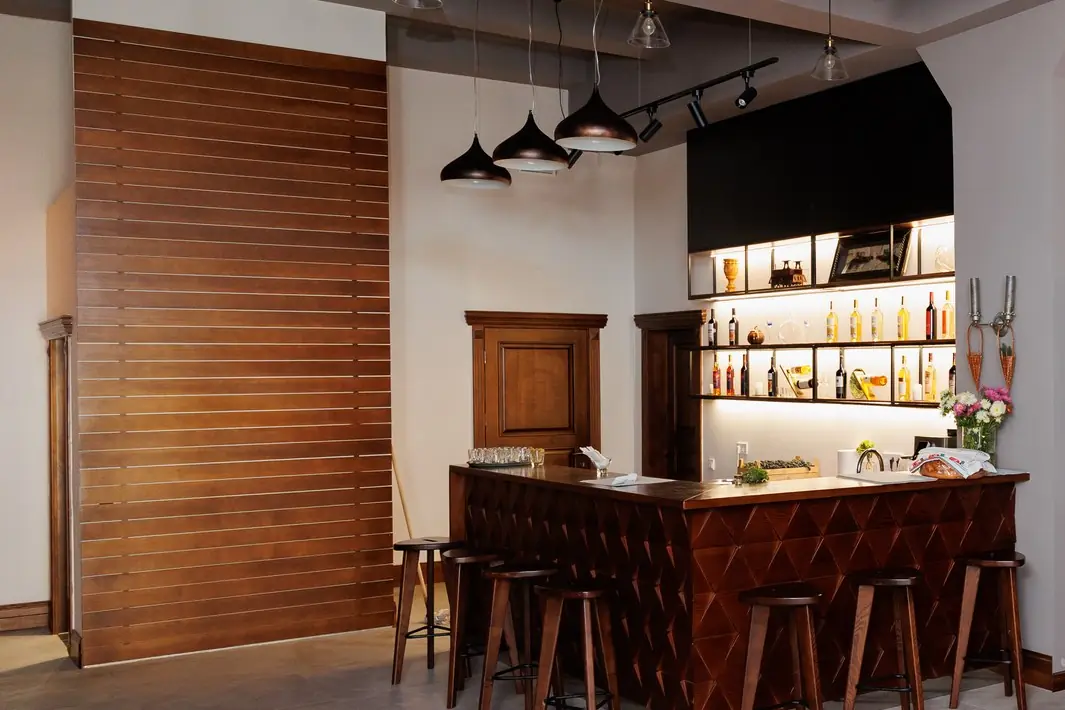
Next to the cellar, on the winery grounds, is the tasting room.
03 · History
An estate with a history
Above the cellar, the times changed more than once: a landed estate, a state farm, a few years of silence, then a company named after a daughter and a song. Every date has a source.
-
The cellar
A brick-vaulted cellar is built at Răzeni.
-
The wine estate
The landowner settles at Răzeni and builds up the wine estate. He plants about 80 hectares of European varieties where only local varieties had grown before. By the mid-1880s, the estate’s winery is processing between 2,000 and 3,000 tonnes of grapes a year. According to the village monograph, the landowner gave the village a primary school, a medical post, a mill and the first artesian well in the surrounding area.
-
The “Răzeni” state farm
In 1940, with the arrival of Soviet rule, the landowner leaves everything behind and departs for Romania. In 1945, the estate is nationalised and becomes the “Răzeni” state wine farm (sovkhoz). The cellar and the vineyards remain.
-
Doina Vin
Feodosie Borș, a winemaker and former head of production at the National Institute of Vine and Wine, founds Doina Vin, registered on 20 December 1993. He names the company after his daughter, Doina. From 1995 the company begins investing in new vineyard plantings and new equipment.
“The company bears my name. Above all, it is a beautiful gesture of love from a father to his daughter, but the name also carries a patriotic meaning.”
Doina Borș, interview with ModernBuyer (Maria Hurduc), 17 October 2017; translated from Romanian -
The 2000s
The winery at Răzeni
After the Soviet Union breaks up, the winery passes into private hands but stands unused for about five years. In the early 2000s, the Borș family takes over the winery at Răzeni. The cellar has been restored and is in use today, for wine and for guests.
-
Doina Borș
In the summer of 2017, Doina Borș comes home after more than ten years of study and management consulting in Austria and Germany, and takes over brand strategy and marketing. The portfolio is slimmed down and the brand is built around the Artitude line, where every vintage gets its label from an artist from Moldova.
-
The terrace
At the winery, the semi-enclosed terrace is being glazed, with support from the Organization for Entrepreneurship Development (ODA).
Sources for the timeline
- 1875
- The winery’s heritage booklet, citing the village monograph “Vatra Veșniciei – Răzeni”, p. 258.
- 1878
- The winery’s heritage booklet, citing the village monograph (p. 258 for 1878).
- 1945
- The winery’s heritage booklet, citing the village monograph; his departure is also recalled in the ModernBuyer interview of 17 October 2017.
- 1993
- Official company records; the ModernBuyer interview, 17 October 2017; for 1995, the wine-and-spirits.md portal, 18 October 2017.
- The 2000s
- Doina Borș’s interview with ModernBuyer, 17 October 2017; the winery’s heritage booklet.
- 2017
- Doina Borș’s interview with ModernBuyer, 17 October 2017.
- 2026
- Grant contract TUR/26-168-95.
04 · Codru
The Codru hills
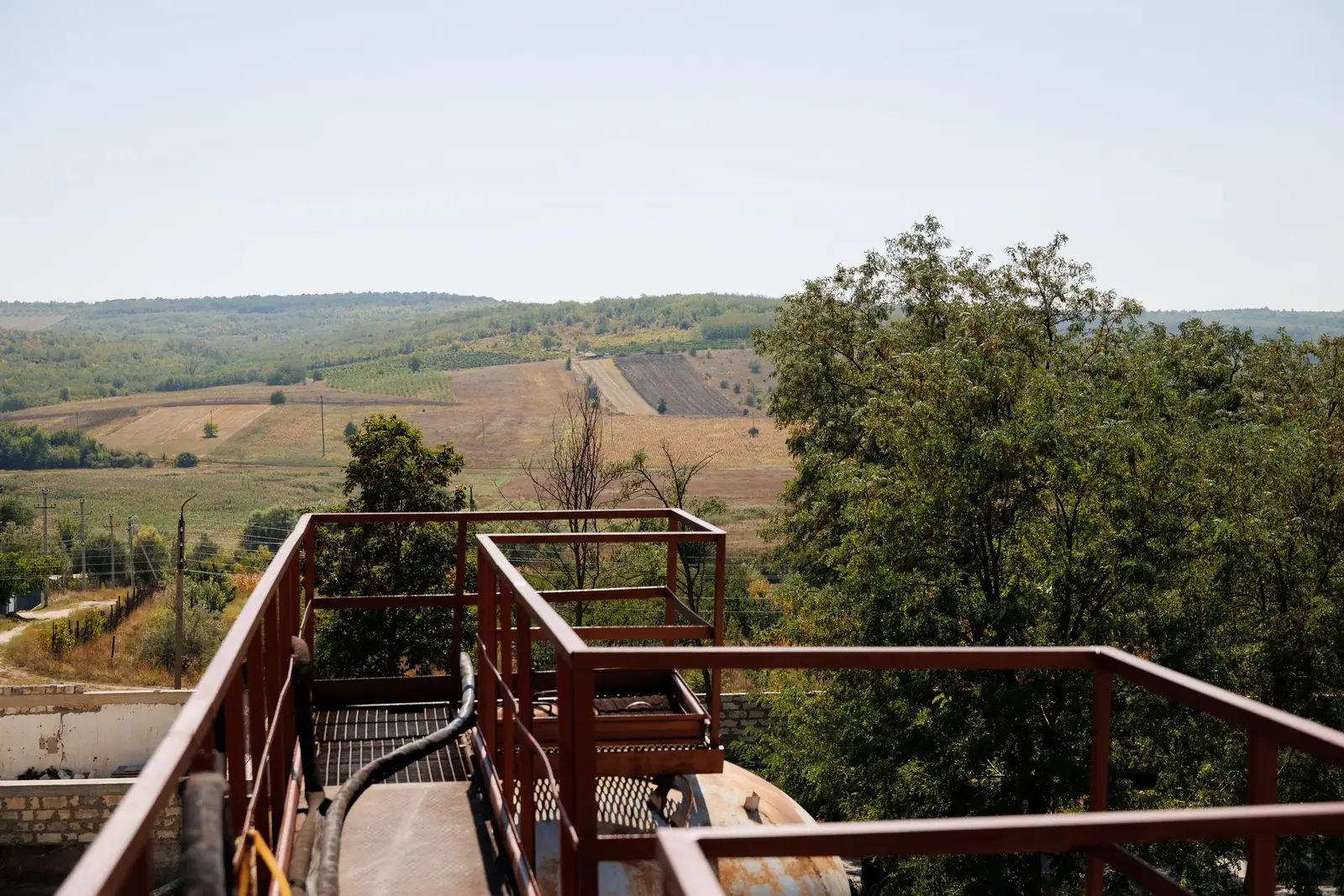
The vineyards lie in the Codru wine region, within the PGI Codru area: a land of hills and of oak and linden forests. Since 25 January 2012, Doina Vin has been a member of the PGI Codru producers’ association (Asociația Vitivinicolă a Regiunii Geografice Delimitate Codru).
- Soil
- Sandy loam
- Terrain
- Hills, between 100 and 280 m above sea level
- Climate
- Mild, averaging about 12 °C a year, with moderate rainfall
- Forests
- Oak and linden
What PGI Codru means
PGI stands for Protected Geographical Indication (IGP in Romanian, as on the labels). Moldova has three: Codru, Ștefan Vodă and Valul lui Traian.
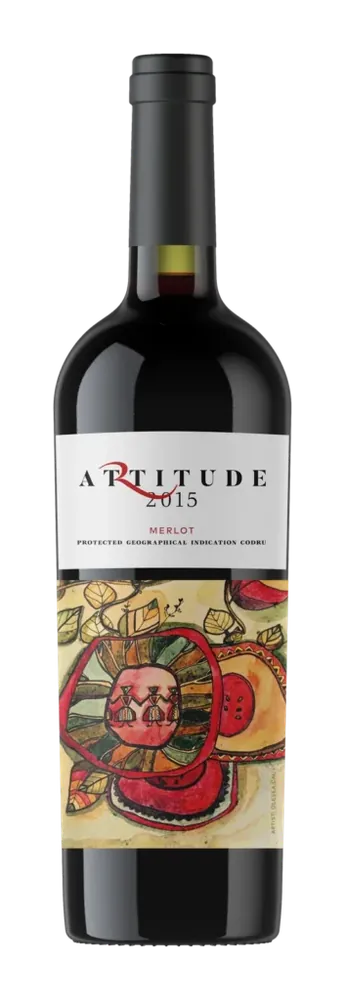
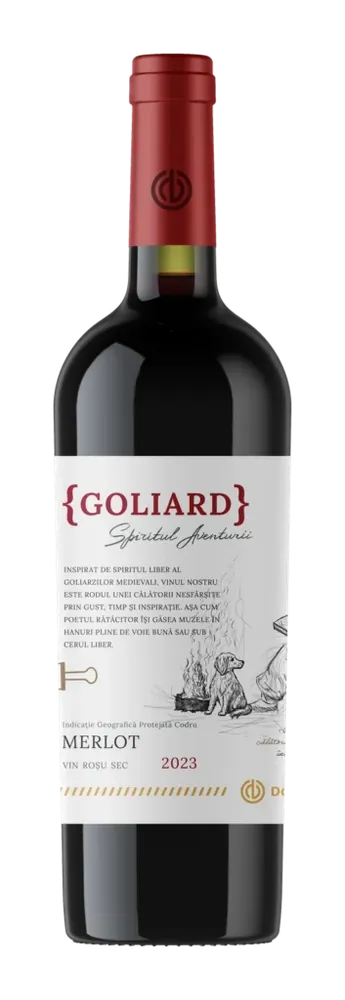
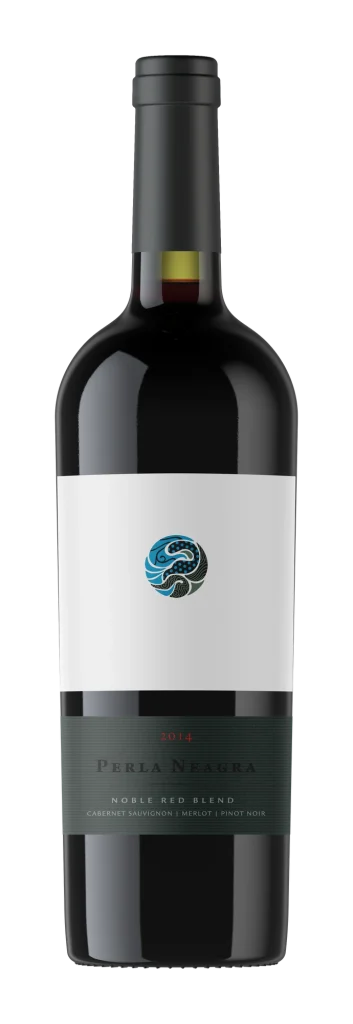
Having vineyards in the Codru area does not make every wine a PGI wine. At Doina Vin, the PGI Codru designation appears only on the labels of the Artitude, Perla Neagră and Goliard brands, and not on all of their bottles: each wine’s label shows what it carries. The wines of the other brands are produced in the Republic of Moldova and carry no PGI designation.
05 · Winemaking
From steel to stave
From the presses to the bottle, in four stages.
01
The presses
Bucher make of the presses
The grapes go to the presses first.
02
Stainless steel
15 million L
The approximate total capacity of the stainless-steel vessels.
03
Oak
500 barrels
The wines age in the oak barrels.
04
Bottling
6,000 bottles per hour
The capacity of the Technofood bottling line.
06 · The brands
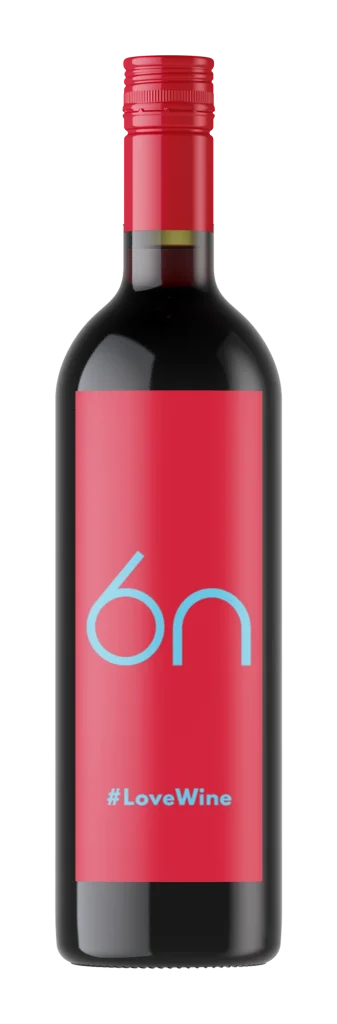
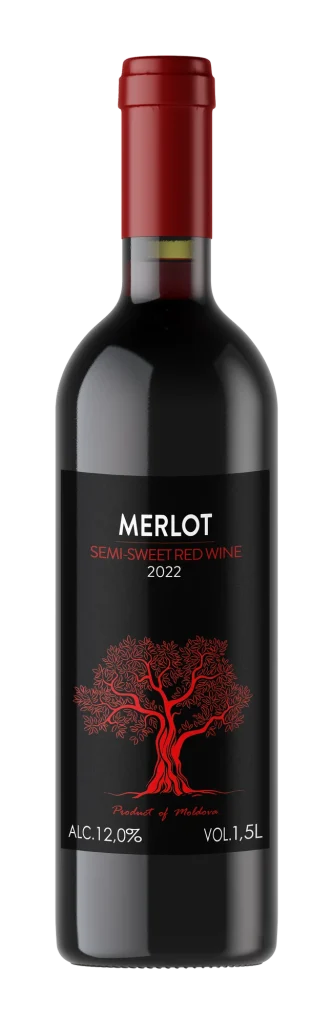
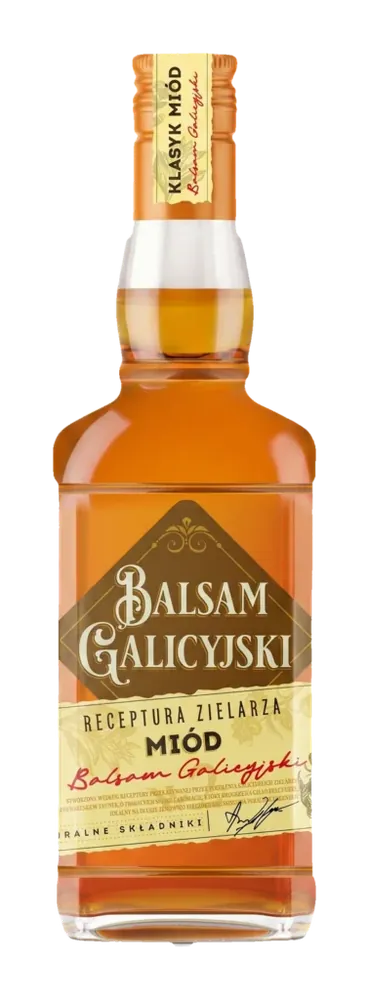
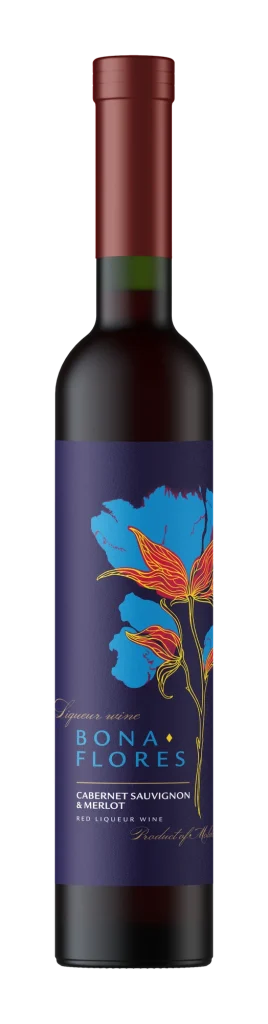
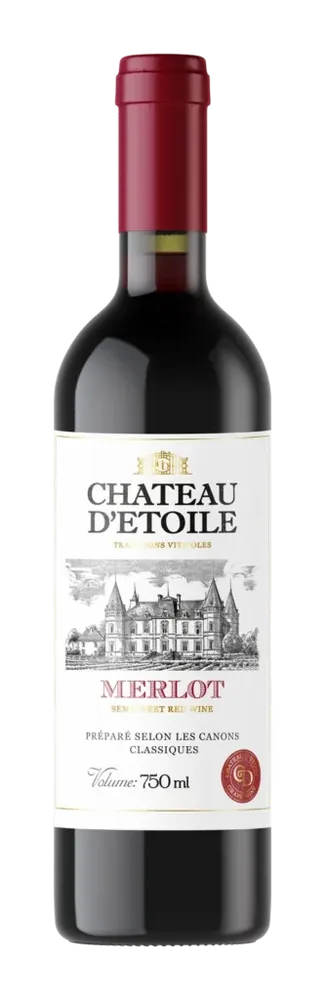
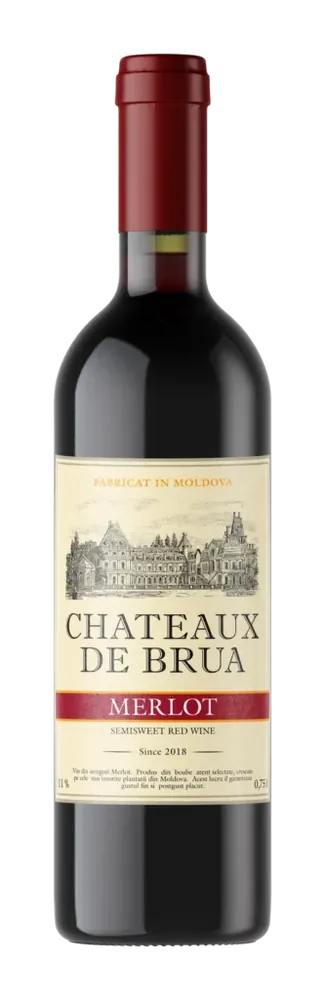
14 brands, one name
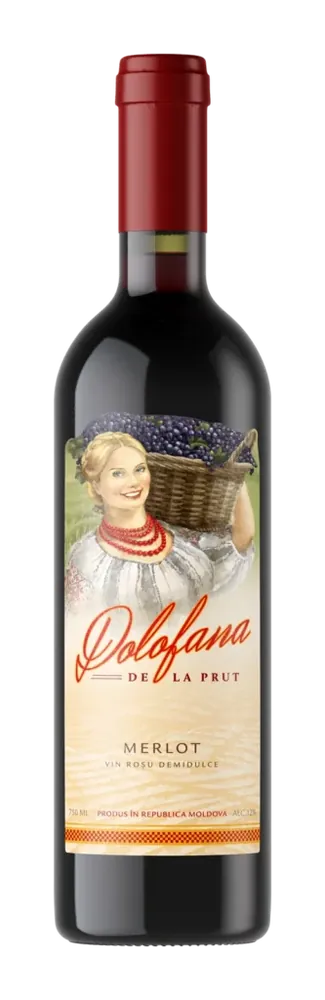
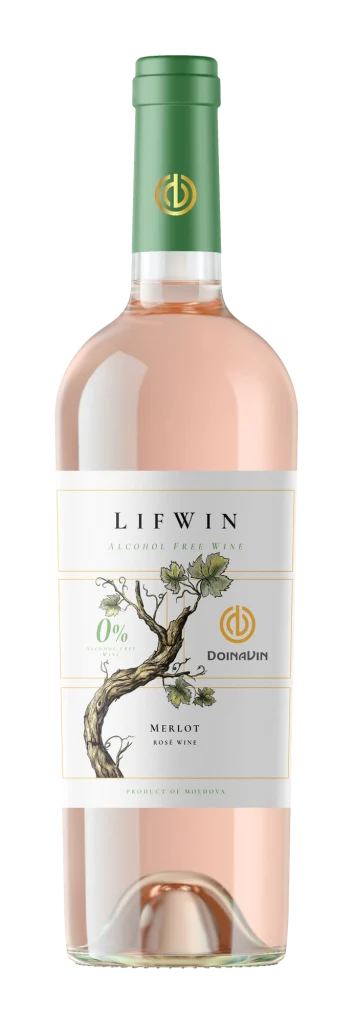
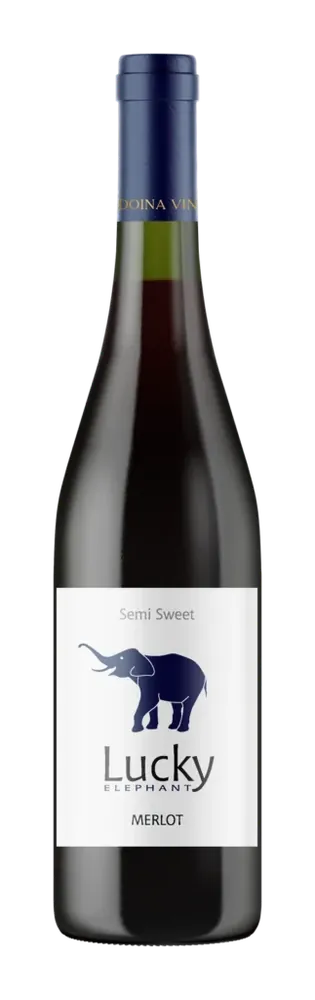
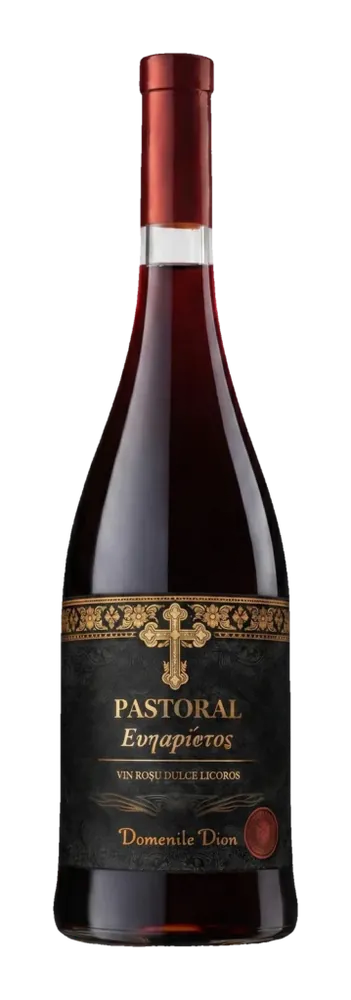
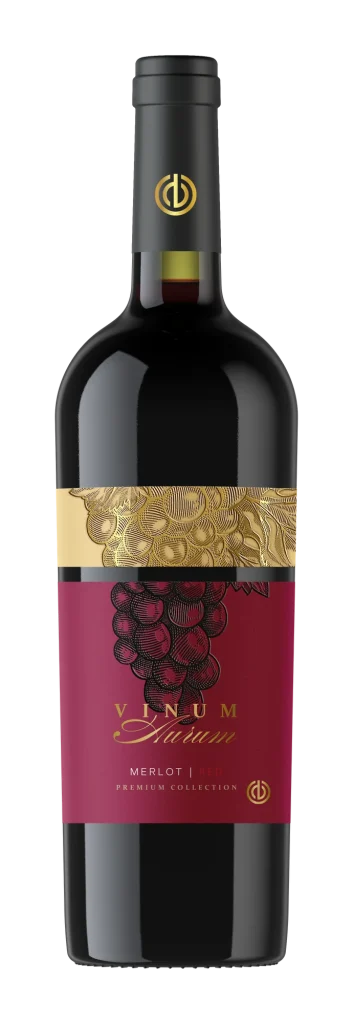
Today 14 brands share the Doina Vin name, each with its own voice and colour.
07 · Awards
Awards and critics’ scores
37
awards in 2014–2026, including 32 medals: 19 gold medals, 8 silver and 5 bronze
90/100
Artitude Trinity 2016 (Cabernet Sauvignon, Merlot, Pinot Noir), Jamie Goode, wineanorak.com, June 27, 2021
Gold · 2026
Mundus Vini (Germany): Artitude Viorica 2025. Vinarium International Wine Contest (Romania): Goliard Viorica 2025.