Wine styles
Dry vs semi-sweet wine: the four sugar levels explained
Dry, medium dry, medium sweet (what many shops call semi-sweet) and sweet wines differ in how much sugar is left in the wine: up to 4 g/l for dry (9 g/l if the wine is acidic enough), up to 12 g/l for medium dry, up to 45 g/l for medium sweet and at least 45 g/l for sweet. The limits are the same in the EU and in Moldova, and they say nothing about alcohol.
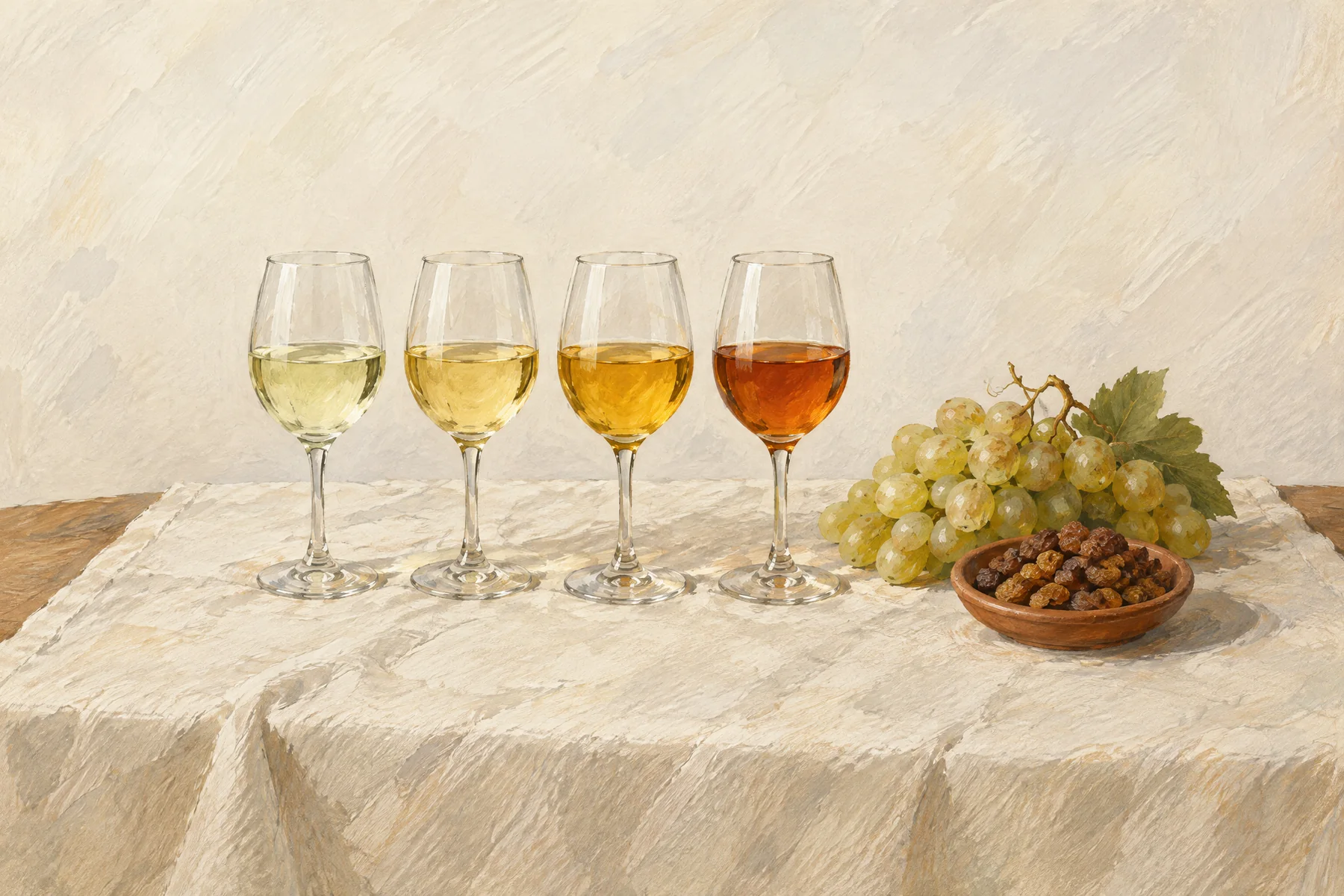
How much sugar is in each category?
The limits are the same in the European Union (Commission Delegated Regulation (EU) 2019/33, Annex III, Part B) and in Moldova (the regulation on the organisation of the wine market approved by Government Decision No. 356/2015, point 38). For still, that is not sparkling, wines:
| Category | Sugar | Condition |
|---|---|---|
| Dry | up to 4 g/l, or up to 9 g/l | 9 g/l only if total acidity is no more than 2 g/l below the residual sugar |
| Medium dry | above the dry limit, up to 12 g/l, or up to 18 g/l | 18 g/l only if total acidity is no more than 10 g/l below the residual sugar |
| Medium sweet (semi-sweet) | above the medium dry limit, up to 45 g/l | none |
| Sweet | at least 45 g/l | none |
The EU regulation’s own words for dry: “If its sugar content does not exceed: 4 grams per litre, or 9 grams per litre, provided that the total acidity expressed as grams of tartaric acid per litre is not more than 2 grams below the residual sugar content.” An example: a wine with 8 g/l of sugar and 7 g/l of total acidity may be called dry, because its acidity is only 1 g/l below its sugar.
What do medium dry and semi-sweet mean?
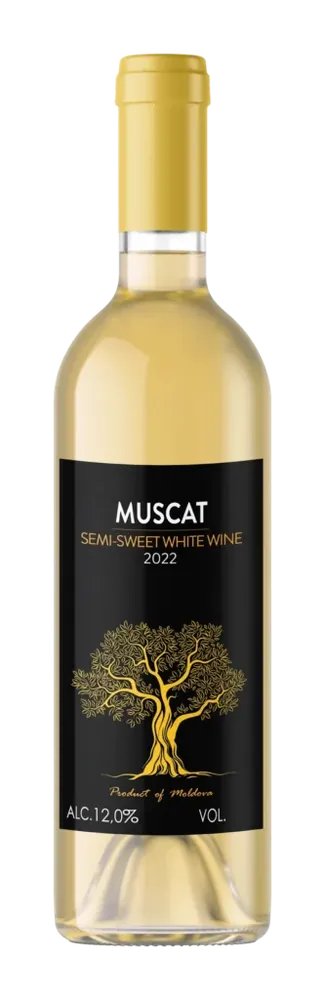
Medium dry, sometimes sold as semi-dry or off-dry, is a wine with a little more sugar than a dry one, up to 12 g/l (or 18 g/l with high acidity). Medium sweet, which many shops call semi-sweet, runs from there to 45 g/l: in the regulation’s words, “If its sugar content exceeds the maximum permitted but does not exceed 45 grams per litre.” Anything from 45 g/l up is sweet.
How many of our wines are in each category?
This table is read from the shop, with today’s prices and the strength from each wine’s sheet:
| Sweetness category | Wines in the shop | Alcohol | Shop price |
|---|---|---|---|
| Dry | 26 | 12% vol – 13.5% vol | 89 MDL – 449 MDL |
| Medium dry | 7 | 12.5% vol – 13% vol | 89 MDL – 189 MDL |
| Medium sweet | 17 | 11% vol – 12% vol | 89 MDL – 180 MDL |
| Sweet | 4 | 15% vol – 16% vol | 119 MDL – 199 MDL |
See them all on our pages for dry red, dry white, semi-sweet red, semi-sweet white and dessert wine.
Is dry wine stronger than semi-sweet wine?
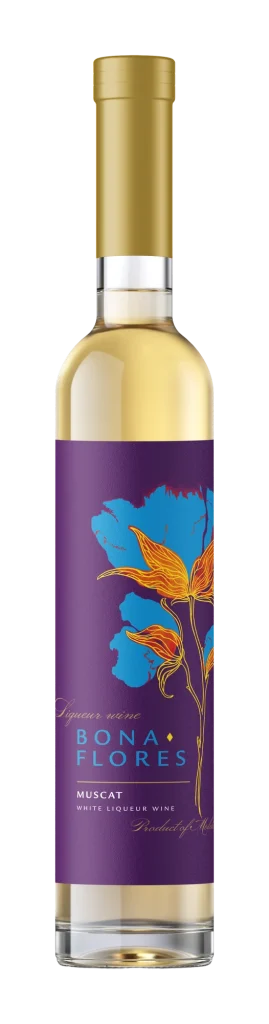
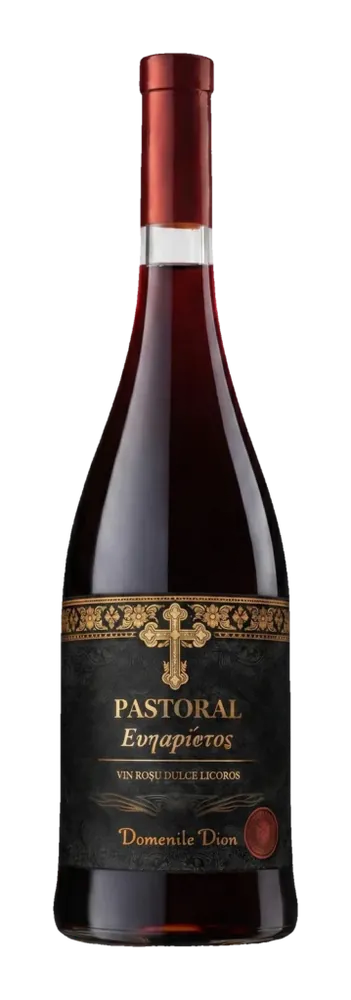
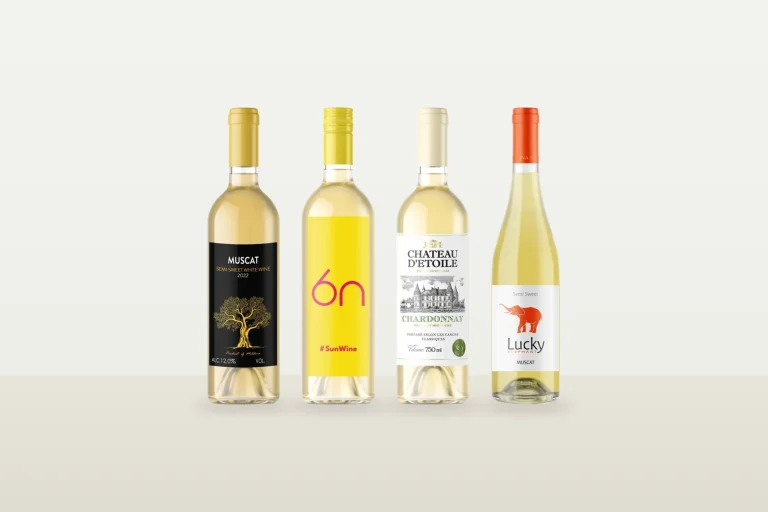
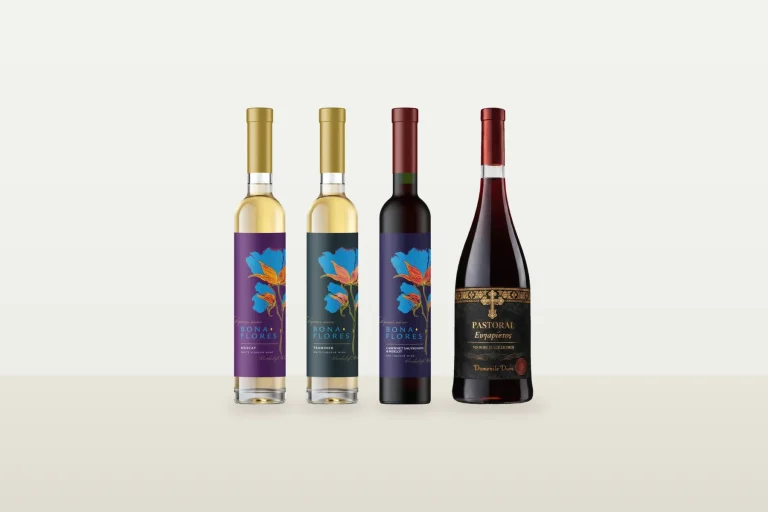
Not by definition: the regulation sets sugar, not alcohol. Among our wines, according to their sheets, the dry ones are 12–13.5% vol and the medium sweet ones 11–12% vol (table above). Liqueur wines are a category of their own: BonaFlores Muscat and BonaFlores Traminer are 15% vol and Pastoral Red 16% vol.
How much sugar is actually in our wines?
For the wines whose technical sheets give the residual sugar, these are the figures:
| Wine | Wine style | Sweetness category | Residual sugar | Alcohol | Shop price |
|---|---|---|---|---|---|
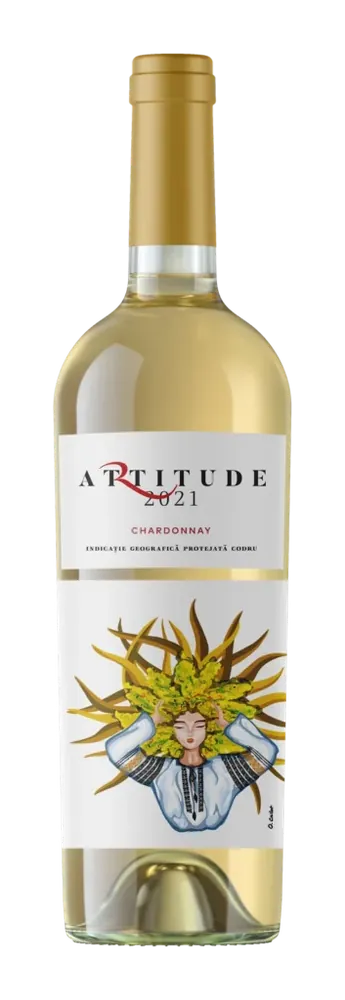
| Artitude Chardonnay 2021 | Dry white | Dry | 2 g/l | 12.5% vol | 189 MDL |
| Artitude Muscat 2021 | Dry white | Dry | 2 g/l | 12% vol | 189 MDL |
| Artitude Sauvignon 2021 | Dry white | Dry | 2 g/l | 12% vol | 189 MDL |
| Perla Neagră Red Blend | Dry red | Dry | 2.3 g/l | 13.5% vol | 180 MDL |
| Artitude Viorica 2025 | Dry white | Dry | 2.5 g/l | 12.8% vol | 189 MDL |
| Goliard Viorica 2025 | Dry white | Dry | 2.5 g/l | not stated | 289 MDL |
| Goliard Fetească Neagră Rosé 2025 | Dry rosé | Dry | 2.5 g/l | not stated | 289 MDL |
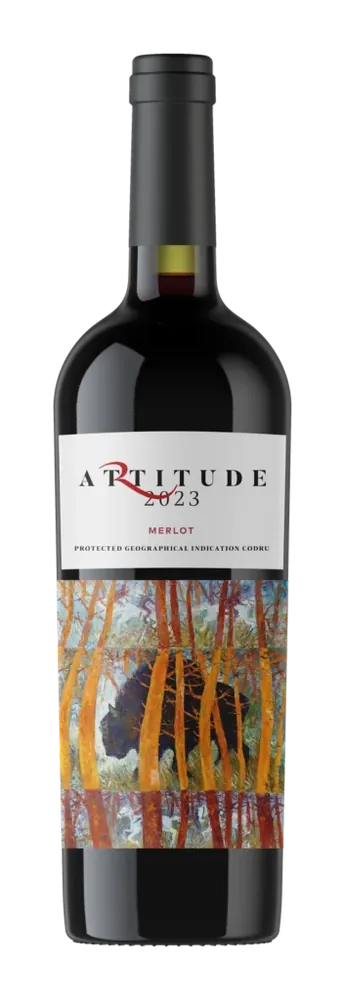
| Artitude Merlot 2023 | Dry red | Dry | 3 g/l | 13.5% vol | 189 MDL |
| Artitude Chardonnay 2017 | Dry white | Dry | 3.5 g/l | 12.5% vol | 349 MDL |
| KAVI Sparkling wine | Rosé | not stated | 4.2 g/l | 11.5% vol | 150 MDL |
| Artitude Trinity 2016 | Dry red | Dry | 4.6 g/l | 13.5% vol | 349 MDL |
| Artitude Merlot 2015 | Dry red | Dry | 5 g/l | 13.5% vol | 349 MDL |
| Artitude Fetească Neagră Rosé | Dry rosé | Dry | 5.2 g/l | 13.5% vol | 189 MDL |
| Artitude Trilogy 2017 | Dry red | Dry | 5.4 g/l | 13.5% vol | 349 MDL |
| Artitude Dry Cabernet Rosé 2017 | Dry rosé | Dry | 5.8 g/l | 12.5% vol | 189 MDL |
| Vinum Aurum Chardonnay | White | Medium dry | 17 g/l | not stated | 159 MDL |
| LifWin Pinot Noir alcohol-free | Alcohol-free red | not stated | 71.7 g/l | < 0.5% vol | 160 MDL |
| LifWin Sauvignon Blanc alcohol-free | Alcohol-free white | not stated | 73 g/l | < 0.5% vol | 160 MDL |
| Balsam de Galiția Botanical | Herbal balsam | not stated | 120 g/l | 21% vol | 229 MDL |
| Balsam de Galiția Herbal Blend | Herbal balsam | not stated | 120 g/l | 21% vol | 229 MDL |
| Balsam de Galiția Honey Infusion | Herbal balsam | not stated | 120 g/l | 21% vol | 229 MDL |
| BonaFlores Muscat | White liqueur wine | Sweet | 151 g/l | 15% vol | 199 MDL |
| BonaFlores Traminer | White liqueur wine | Sweet | 153 g/l | 15% vol | 199 MDL |
| Pastoral Red | Sweet red liqueur wine | Sweet | 160 g/l | 16% vol | 119 MDL |
Moldovan rules give liqueur wines a scale of their own, added by Government Decision No. 891/2023: dry 45–50 g/l, medium dry 50–80 g/l, sweet from 80 g/l. Sparkling wines also have their own scale (brut below 12 g/l, extra brut 0–6 g/l and so on); KAVI, a brut rosé sparkling wine, has 4.2 g/l.
Can Merlot or Cabernet Sauvignon be semi-sweet?
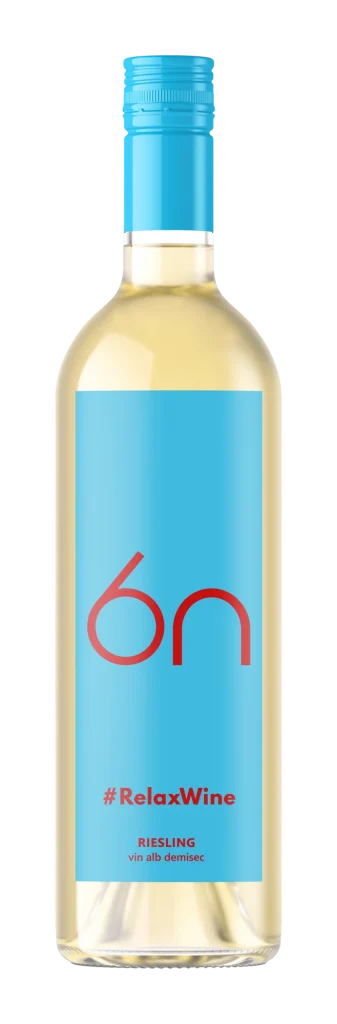
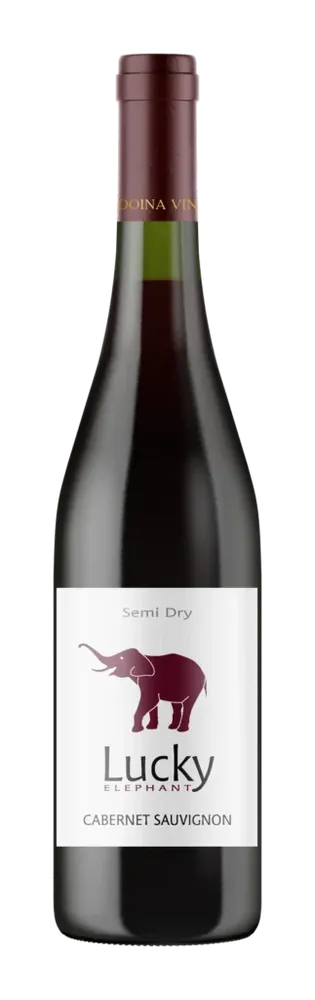
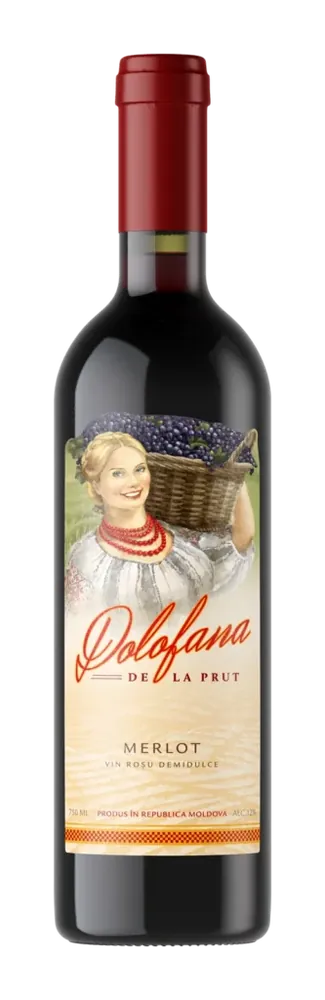
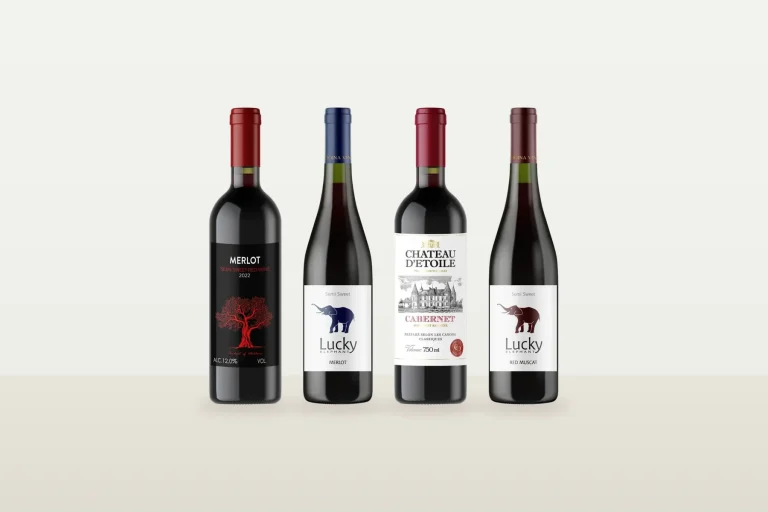
Yes: the winemaking, not the grape, decides the sugar. Our Merlots are dry red (Artitude, Goliard, 6N) or medium sweet (Arborele, Dolofana de la Prut, Lucky, Château d’Étoile, Châteaux de Brua); our Cabernet Sauvignon runs from dry through medium dry and medium sweet to a sweet liqueur wine, Pastoral Red. How the two grapes differ is in “Merlot vs Cabernet Sauvignon”.
What does the label say?
In the EU, a still wine’s sugar term “may appear” on the label, and the real sugar may not differ by more than 1 g/l from the figure shown (Article 52 of Regulation 2019/33); on sparkling wine the term is compulsory, with a 3 g/l tolerance (Article 47). On our site, each wine’s sugar category and, where we have it, its residual sugar figure are in the technical sheet on its page.
- −10% on 6 or more bottles of wine, the same wine or mixed: the discount appears in the cart by itself.
- Free home delivery by Nova Post courier on orders from 500 MDL.
- Pickup from a Nova Post branch is free.
FAQ
What is the difference between dry and semi-sweet wine?
Sugar. A dry wine has at most 4 g/l (or 9 g/l if it is acidic enough); a medium sweet, or semi-sweet, wine has more than a medium dry wine may (12 g/l, or 18 g/l with high acidity) and at most 45 g/l.
Is dry wine stronger than semi-sweet wine?
The sugar category says nothing about alcohol. Among our wines, according to their sheets, the dry ones are 12–13.5% vol and the medium sweet ones 11–12% vol.
What does medium dry mean?
A wine with more sugar than a dry wine may have, but no more than 12 g/l (or 18 g/l if its acidity is high enough): what some shops call semi-dry or off-dry.
Can Merlot or Cabernet Sauvignon be semi-sweet?
Yes: the grape does not decide the sugar. We have dry and medium sweet Merlots, and Cabernet Sauvignon from dry to the sweet liqueur wine Pastoral Red.
Sources
- Commission Delegated Regulation (EU) 2019/33 of 17 October 2018, Articles 47 and 52 and Annex III (EUR-Lex) (opens in a new tab)
- Government of Moldova, Decision No. 356/2015, regulation on the organisation of the wine market, point 38 (legis.md, Romanian and Russian) (opens in a new tab)
- Government Decision No. 356 of 11 June 2015, official Russian text (FAOLEX) (opens in a new tab)
- Government Decision No. 891/2023 of 22 November 2023 (point 38: liqueur wines), FAOLEX, in Romanian (opens in a new tab)
- Doina Vin wine sheets: sugar category, residual sugar and strength (each wine’s page)