Wine regions
Moldova wine regions: the four PGIs on the map
Moldova’s wine map is drawn by its protected geographical indications: three wine regions, Codru, Ștefan Vodă and Valul lui Traian, and Divin, which covers the whole country for wine brandy. Here is what sets each apart, according to the National Office for Vine and Wine.
One country, four PGIs
Since 2013 Moldova has had a quality system based on the EU model of protected geographical indications, built around three traditional vine-growing areas and research into their differences in climate and growing conditions, plus a special denomination for grape distillates, Divin. In 2024 the vineyards planted for PGI wines reached 7,843.3 hectares, and 73 producers were PGI-certified. Two protected designations of origin are also on the way: “Dealul Craveț”, developed, and “Tigheci”, under development.
ONVV’s enotourism guide maps the regions together with the country’s wine routes and the wineries open to visitors.
Codru: the centre
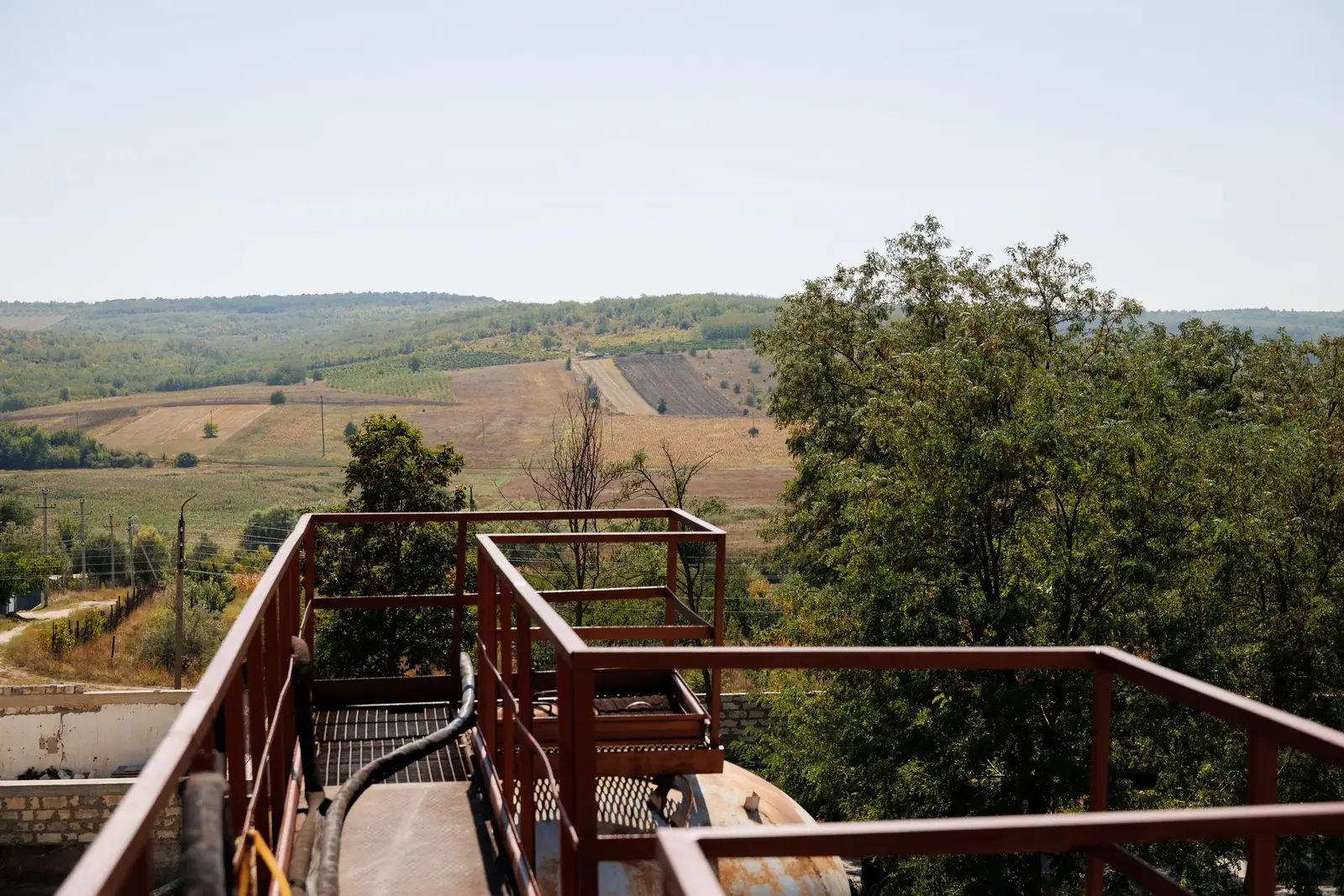
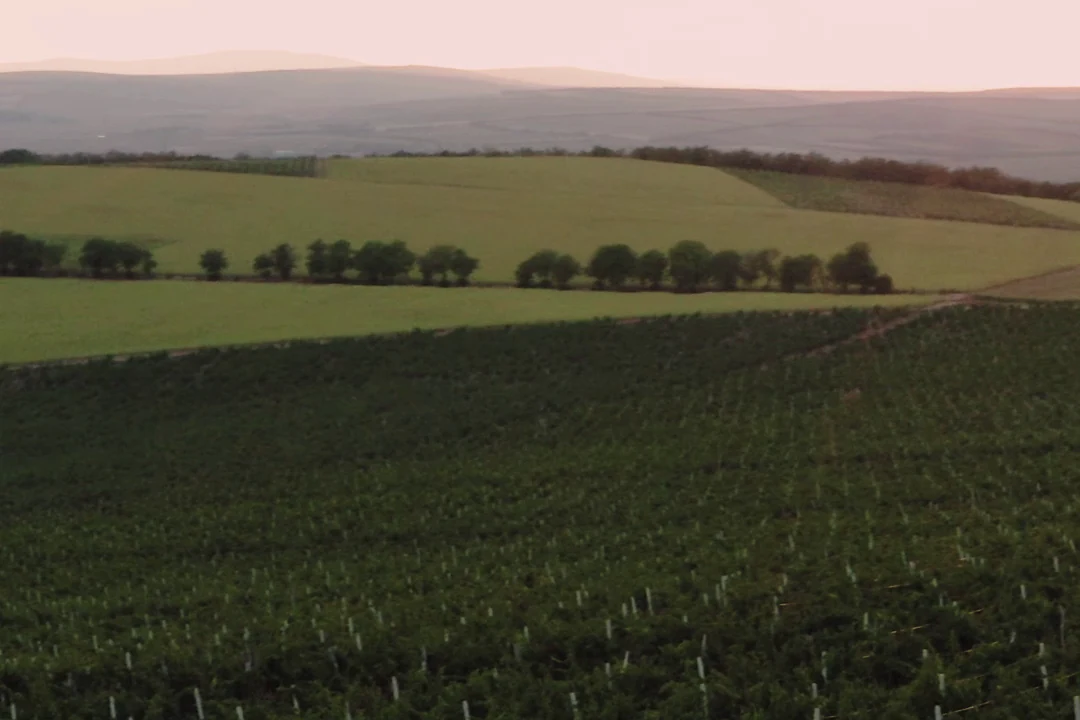
Moldova’s coolest wine zone, extended in 2016 to include Bălți and vineyards in Transnistria: wooded hills and river valleys, with oak and linden forests covering a quarter of the landscape and sheltering the vines. Soils are grey forest soils and chernozems, and the vineyards lie at about 100–150 metres. Codru is known above all for white grapes, especially Fetească Albă, Muscat Ottonel, Sauvignon Blanc and Chardonnay, and for base wines for sparkling; the Cricova and Mileștii Mici cellars are here. Our winery at Răzeni is in Codru: read our Codru wine region guide.
Ștefan Vodă: the south-east
Terraces along the Dniester, plains and slopes at an average altitude of just 120 metres, with a moderate continental climate influenced by the Black Sea and 450–550 mm of rain a year. Soils are podzolized and carbonated chernozems, with clay in places. The region is noted for red grapes, Rară Neagră above all, an indigenous variety known as Băbească Neagră in eastern Romania; Merlot, Fetească Neagră, Saperavi, Pinot Noir, Pinot Gris and Chardonnay also perform well.
Valul lui Traian: the south-west
Named after the remains of two fortified walls built by the Roman emperor Trajan. The climate is Mediterranean, with warm, dry summers and mild winters moderated by the Black Sea, and the region is sheltered by the forests of the Tigheci Hills. It has three sub-zones, the Tigheci hills, the Bugeac Plain and the Prut Terraces. Soils are leached and carbonated chernozems, with some sand and clay and low fertility. It is the warmest and driest part of Moldova but also the highest, up to 310 metres; red wines make up 60% of its production, and it is also known for sweet fortified wines and full-flavoured whites.
Divin: the whole country
Divin is not a place on the map but a PGI that covers the whole of Moldova, for spirits distilled from wine by double distillation and aged for at least three years in contact with oak. It is made from international and local grapes that must be grown in the country, such as Aligoté, Chardonnay, Fetească Albă, Rkatsiteli and Sauvignon; its colour runs from pale gold to amber.
Visiting the regions
ONVV says the number of wineries open to visitors has doubled in the last few years. From Chișinău, Codru is the closest: see wineries near Chisinau, or book a tour of our cellar at Răzeni, about 30 km away.
FAQ
How many wine regions does Moldova have?
Three PGI wine regions, Codru, Ștefan Vodă and Valul lui Traian, plus Divin, a PGI for wine brandy that covers the whole country (ONVV).
Which wine region is Doina Vin in?
Codru. Răzeni is one of the wine centres named in the PGI “Codru” specification (AGEPI register).